Hojicha: Japan’s Roasted Green Tea Explained

If you’ve ever finished a meal at a Japanese restaurant with a cup of warm, amber tea that smelled toasty, like roasted nuts or coffee, there’s a good chance it was hojicha.
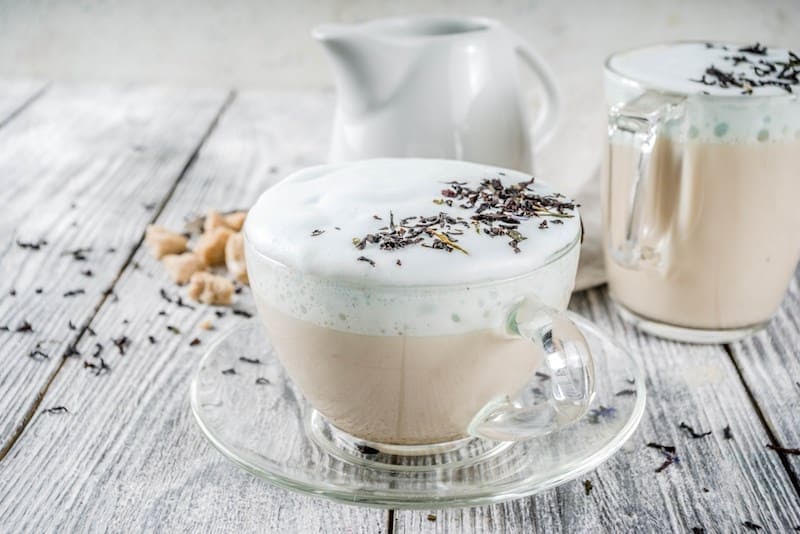
Hojicha is a green tea, but it doesn’t look or taste like one. Roasting turns the leaves reddish-brown and transforms the flavour into something warm, smooth and comforting, with almost no bitterness. It’s beloved in Japan as an everyday tea, and it’s quickly becoming a café favourite in North America, especially as a latte.
Here’s what hojicha is, how it’s made, how much caffeine it has, and how to brew it.
What is hojicha?
Hojicha (焙じ茶) means “roasted tea.” It’s a Japanese green tea that has been roasted over high heat after it has been processed.
Like all green tea, hojicha starts as leaves of the tea plant, Camellia sinensis, that are steamed and dried to keep them from oxidizing. What makes it different is the final step: the dried tea is roasted, traditionally in a porcelain pot over charcoal, and today usually in a rotating drum roaster, at around 200°C. Roasting changes the leaves from green to a warm reddish-brown, and the tea it makes from pale green to a clear amber.
Most hojicha is made from bancha, a later-harvest green tea made from larger, more mature leaves. Some is made from sencha, and a popular style called kuki hojicha (or bōcha) is made from the tea plant’s stems, giving an especially sweet, mellow cup.
Where hojicha comes from
According to the most common story, hojicha was first made in Kyoto in the 1920s, when tea merchants began roasting leftover leaves and stems to make use of them. The result was so pleasant that it became a tea in its own right.
Today hojicha is one of Japan’s most popular everyday teas. Because it’s gentle and low in bitterness, it’s often served with meals, enjoyed in the evening, and offered to children and older family members. Walk past a tea shop in Kyoto and you may smell hojicha roasting from down the street.
What does hojicha taste like?
Hojicha tastes toasty, nutty and smooth, with notes that people describe as caramel, cocoa, roasted barley or even light coffee. Some hojicha has a gentle smoky or woody edge. Unlike many green teas, it has very little grassiness and almost no bitterness or astringency, so it’s easy to enjoy even if you don’t usually like green tea.
The flavour depends on the roast. A lighter roast keeps a hint of green tea freshness, while a darker roast is deeper, sweeter and more like cocoa.
[PHOTO: side-by-side of green sencha leaves and roasted hojicha leaves to show the colour change]
Does hojicha have caffeine?
Yes, hojicha contains caffeine, but usually less than other green teas such as sencha or matcha. That’s mostly because it’s typically made from mature leaves and stems, which naturally contain less caffeine than the young leaves used for premium green teas.
The exact amount varies with the leaves used and how you brew it, but hojicha is a good choice when you want something gentle in the afternoon or evening. It isn’t caffeine-free, so if you’re avoiding caffeine completely, an herbal tea is a better option. For a full comparison, see our [LINK: Caffeine in tea chart].
Hojicha vs matcha
Hojicha and matcha are both Japanese green teas, but they’re very different:
Processing: matcha is shaded, then stone-ground into powder. Hojicha is roasted whole-leaf tea (though it’s also sold as a powder).
Flavour: matcha is vegetal, savoury and umami-rich. Hojicha is toasty, nutty and sweet.
Colour: matcha is vivid green. Hojicha is reddish-brown.
Caffeine: matcha is generally much higher. Hojicha is generally lower.
If you find matcha too grassy or intense, hojicha is a great place to start. Learn more in our guide: [LINK: What is matcha?]
How to brew hojicha
Hojicha is one of the most forgiving teas to brew. Because roasting removes most of its bitterness, it handles hot water well.
Japanese style (kyusu teapot):
Add about 5 grams of hojicha to your teapot. Hojicha leaves are light and bulky, so this is roughly 2 heaping tablespoons.
Pour in 150 ml of water at 90 to 100°C.
Steep for 30 seconds to 1 minute, then pour out every drop.
Re-steep the same leaves 2 or 3 more times, adding a few seconds each time.
Mug or Western teapot:
Use about 3 grams (about 1 heaping tablespoon) per 250 ml of water.
Use water at 90 to 100°C.
Steep for 2 to 3 minutes, then strain.
Iced and cold brew hojicha
Hojicha makes an excellent iced tea with a smooth, almost sweet flavour. For cold brew, add about 10 grams of hojicha to 1 litre of cold water, refrigerate for 6 to 8 hours, then strain. For a quicker version, brew a double-strength cup with hot water and pour it over ice.
How to make a hojicha latte
The hojicha latte is the drink that made hojicha famous in cafés, and it’s easy to make at home.
With hojicha powder: Whisk 2 grams (about 1 teaspoon) of hojicha powder with 30 ml of hot water until smooth. Add 200 ml of steamed or frothed milk, and sweeten with a little honey, maple syrup or brown sugar if you like.
With loose leaf hojicha: Steep 6 grams of hojicha in 100 ml of water just off the boil for 3 to 4 minutes to make a strong concentrate. Strain, then add 150 ml of steamed milk.
Oat milk and whole milk both complement hojicha’s toasty, caramel notes. For an iced latte, pour the concentrate over ice and cold milk.
[PHOTO: hojicha latte in a clear glass, showing the caramel-coloured layers]
How to store hojicha
Keep hojicha in an airtight container away from light, heat, moisture and strong smells. Roasted tea holds its flavour well, but it tastes best within a few months of opening.